
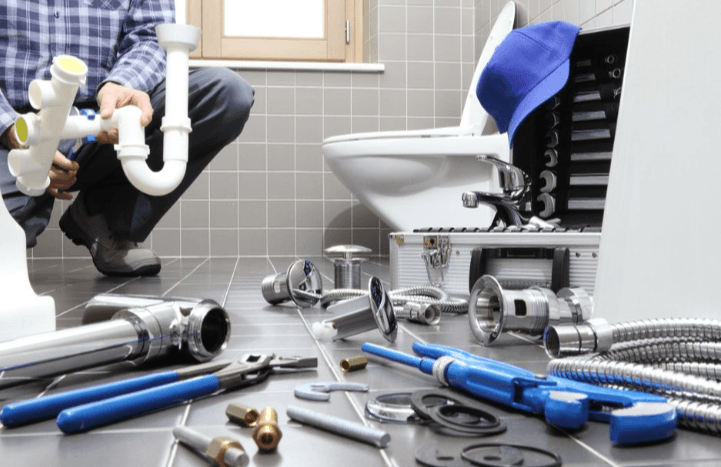
Installing pipe systems requires careful planning and disciplined execution. Assess fluid, temperature, and pressure needs before selecting compatible materials and joints. Plan layouts that fit space constraints and allow maintenance, then establish a structured installation sequence with verified alignments. Secure joints using proven methods and implement corrosion protection and insulation as needed. Thoroughly test for pressure and leaks, documenting materials, methods, and results. A well-documented foundation helps anticipate challenges and informs future modifications, keeping options open for what comes next.
Understand Piping Basics and Choose Materials
Choosing the appropriate piping materials begins with a clear assessment of the system’s requirements, including the conveyed fluid, operating temperature and pressure, and environmental conditions. The analysis identifies compatible materials, jointing methods, and longevity. Insulation materials reduce thermal loss and condensation, while corrosion prevention strategies extend life. Selection prioritizes mechanical performance, compatibility, and ease of maintenance for reliable, freedom-oriented system operation.
Plan Layouts and Sizing for Your System
Planning the physical arrangement and sizing of pipe networks follows material selection by grounding decisions in system requirements such as flow rates, pressure envelopes, temperature limits, and spatial constraints.
The approach emphasizes planning diagrams to visualize routes and proximities, ensuring material compatibility across components.
A disciplined method supports scalable layouts, reduces interference, and clarifies maintenance needs while preserving freedom to adapt to site conditions.
See also: mexicomark
Install, Join, and Test Your Pipes Safely
Install, join, and test pipe systems with rigor and accuracy. The procedure specifies disciplined sequencing: verify alignments, install materials, and secure joints using documented join techniques. Thorough testing follows assembly, including pressure and leak checks, with corrective actions executed promptly. Documentation records materials, methods, and results. The approach preserves safety, permits future modification, and supports reliable, modular operation within predefined performance criteria.
Troubleshoot, Maintain, and Future-Proof the System
The ongoing stability of a pipe system depends on systematic troubleshooting, disciplined maintenance, and forward-facing safeguards.
Regular inspections identify anomalies in joints, seals, and supports, enabling prompt leak detection and corrective action.
Implement corrosion prevention through material choice, protective coatings, and environmental controls.
Document procedures, schedule preventive tasks, and design modular upgrades to ensure resilience, adaptability, and predictable performance over time.
Conclusion
A careful, methodical approach to pipe installation emphasizes compatibility, documentation, and verification at every stage. By selecting corrosion-resistant materials, planning layouts with access for maintenance, and applying proven joining techniques, projects achieve reliable performance. Rigorous pressure and leak testing confirm integrity before commissioning. An interesting statistic underscores discipline’s value: facilities with formalized installation procedures report 30–40% fewer post-installation leaks. This data highlights the payoff of structured planning, meticulous execution, and comprehensive record-keeping for long-term system reliability.
